Is 20g a Full-Size Eye Cream? How to Compare Size Without Guessing How Long It Lasts
No: 20g tells you the declared net weight of the contents, not a universal full-size status and not how long the eye cream will last. It is still useful because it lets you compare the product on a label-by-label basis.
Start with what 20g actually states: the labelled net weight of the contents
On the current listing, 20g is the size claim you can rely on. It tells you how much product is in the pack, which is the right starting point for shopping comparisons, but it does not tell you anything about application count, months of use or a hidden volume equivalent.
Why full-size is a retail description rather than a universal promise of duration
“Full-size” is a merchandising phrase, not a fixed cosmetic measurement rule. That means it may describe how a product is presented for sale, but it does not create one industry-wide threshold for eye creams or guarantee a particular lifespan.
Separate grams as mass from millilitres as volume and avoid a one-to-one conversion without density data
Grams measure mass and millilitres measure volume. Because those are different units, you should not treat 20g as 20ml unless you have product-specific density information for that exact formula.
Use the same unit wherever possible
| Label says | What it tells you | What not to assume |
|---|---|---|
| 20g | Net weight of the contents | That it equals 20ml |
| 15ml | Net volume of the contents | That it is directly comparable to 20g without more information |
Compare eye creams label to label using the same unit wherever possible
The fairest comparison is simple: grams against grams, or millilitres against millilitres. If one eye cream is marked 20g and another is marked 15ml, compare the pack facts you can actually see, then stop short of forcing a conversion that the label does not support.
Show why dose, frequency, applicator design and personal routine change duration
How long an eye cream lasts depends on how much you use, how often you use it, and how your own routine works in practice. A small amount used carefully is not the same as a larger amount used more often, so the printed size alone cannot prove duration.
What changes the outcome
- Your dose per use
- How often you apply it
- Whether you use it once or twice a day
- How the product is dispensed
- Your personal skincare routine
Assess whether an integrated applicator changes the ownership format without changing the stated 20g
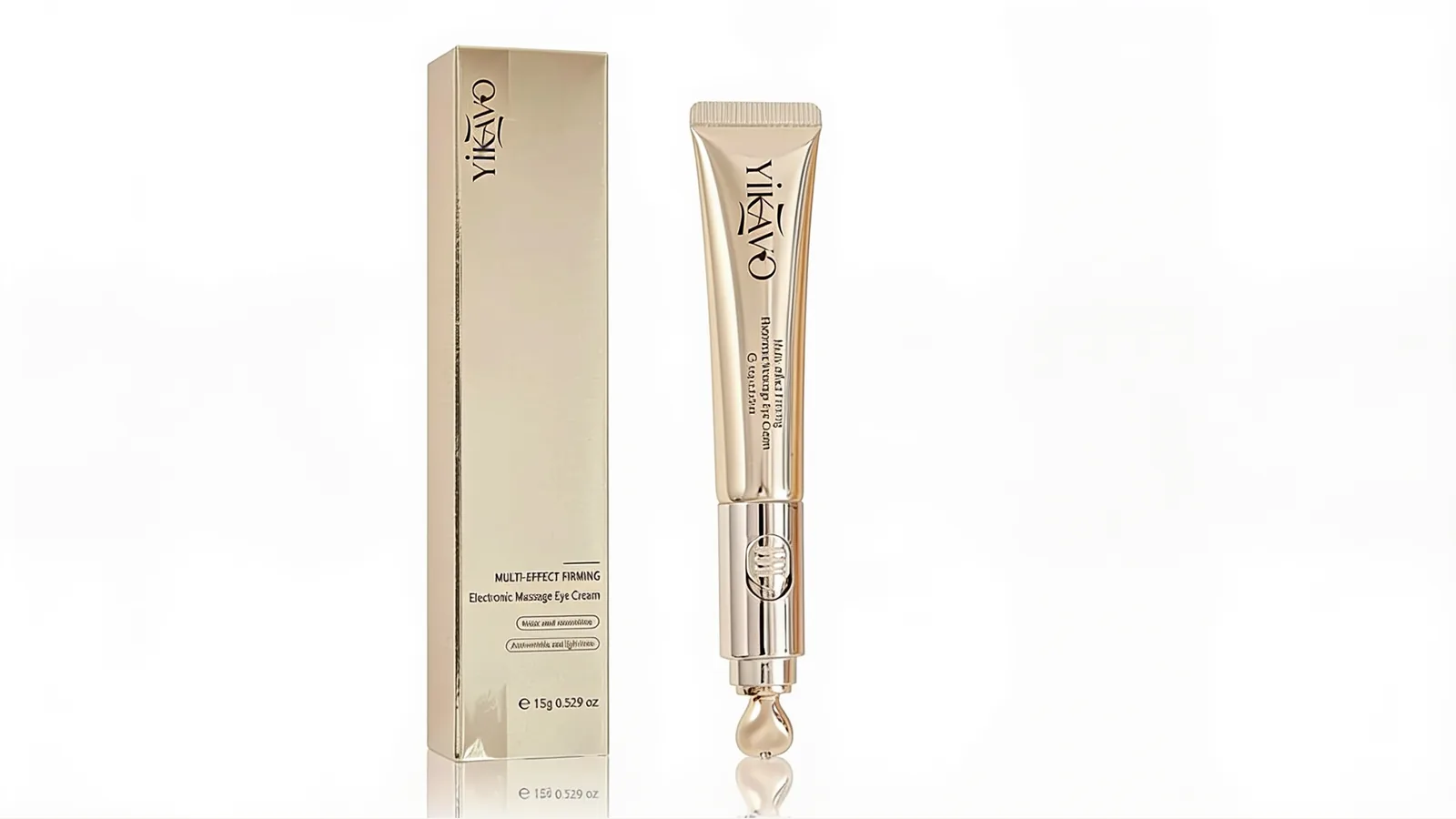
If the pack includes an integrated applicator, that changes the format you receive and how you apply the product, but it does not change the declared 20g. Treat the applicator as part of the pack design, not as a new quantity claim.
Apply a size-usefulness checklist to the current one-tube listing without estimating uses or months
- Check the printed unit first: grams against grams, millilitres against millilitres.
- Read “full-size” as retail language, not as a regulated promise of duration.
- Compare two eye creams on the same unit wherever possible.
- Do not convert 20g to millilitres unless density data is available for that formula.
- Separate the pack size from the applicator design and from your own routine.
- For the current listing, treat 20g as the stated net weight, not as a time estimate.
If you want to inspect the current pack details, see the current product details.