How to Reduce Morning Eye Puffiness: A Practical UK Guide
To reduce morning eye puffiness, try a clean, cool — not frozen — compress for a few minutes, keep pressure light and give the swelling time to settle.
Cooling may temporarily improve fluid-related puffiness; it cannot remove structural eye bags, pigment or an underlying condition.
Get medical advice if swelling is red, hot, painful, one-sided and worsening, or comes with eye pain or a change in vision.
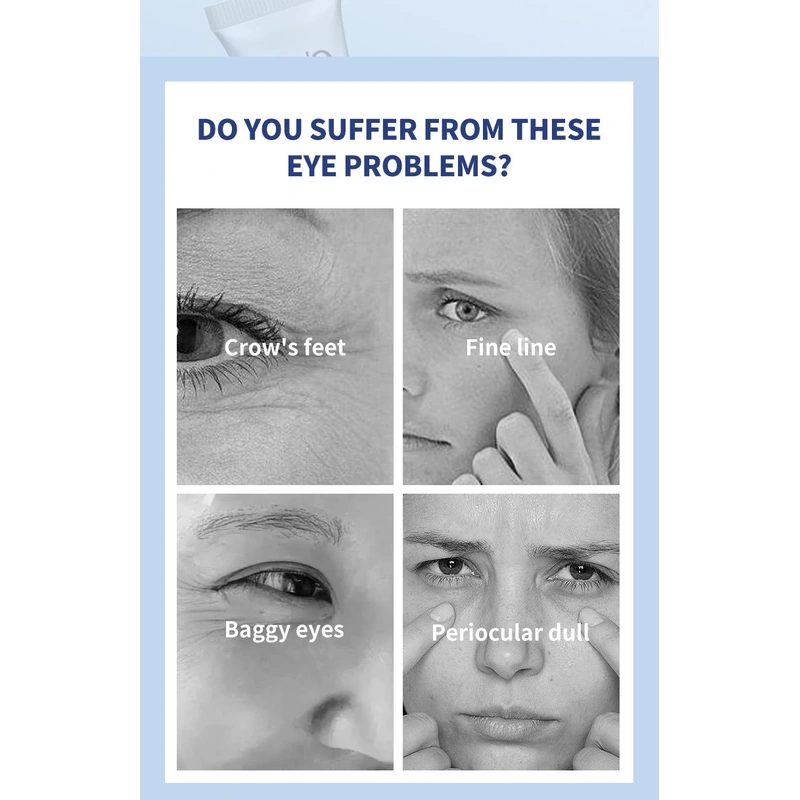
Why under-eyes can look puffier in the morning
The area can look fuller after waking because fluid may collect beneath the eyes overnight. The Mayo Clinic lists fluid retention — especially on waking or after a salty meal — along with lack of sleep, allergies, ageing and genetics among factors that can cause or worsen under-eye bags. That means the best response depends on the cause rather than on one “miracle” product.
A long screen day can make you feel and look tired, and it may encourage eye rubbing, but it should not be used as a catch-all explanation for swelling. For an office worker trying to look fresher before the commute or a video call, the useful goal is modest: calm the appearance without pulling at the skin or making a medical promise.
A simple pre-commute routine
- Check what you are seeing. Soft puffiness under both eyes that eases as the morning passes is different from a hot, painful or rapidly worsening eyelid.
- Use gentle cooling. Wet a clean cloth with cool water and rest it lightly around the closed-eye area for a few minutes while sitting upright. Do not put bare ice on the skin.
- Apply only a small amount. If you use eye cream, spread a thin layer around the eye contour as its label directs. More product does not mean faster de-puffing and may sit badly under concealer.
- Let it settle before makeup. Give the product time to absorb rather than rubbing it in quickly. This is the practical route to a smoother-feeling base, not a guarantee that an eye bag will disappear.
If you prefer a built-in tool, the O'CHEAL 20g Electric Massage Eye Cream sold by Yikavo is £23.10 and has a metal applicator with gentle micro-vibration. The head can make application feel cool and controlled, but that sensation is not proof of a lasting change. See the separate guide on how to use an eye cream applicator without dragging sensitive skin.
What cooling can and cannot change
A cool compress is a reasonable short-term measure for fluid-related puffiness. It cannot change inherited facial structure, remove fat pads, treat allergy or infection, or permanently erase dark circles. The colour beneath the eyes may come from pigment, visible vessels, shadows, skin structure or a mixture of factors, so “de-puffed” and “brightened” are not interchangeable claims.
How to stop this page becoming a whole skincare routine
This page owns the immediate morning-puffiness question. For the order of cleanser, eye product, facial moisturiser, daytime sunscreen and makeup, use the dedicated morning eye care routine. Keeping those jobs separate makes it easier to judge whether cooling helped today without changing five other steps at once.
Frequently asked questions
How long should I cool puffy under-eyes?
The Mayo Clinic suggests applying a clean, damp, cool cloth for a few minutes using light pressure. Stop if the skin becomes uncomfortable; colder and longer are not automatically better.
Can an eye cream permanently remove morning puffiness?
No. A cosmetic can moisturise and cooling may temporarily improve fluid-related puffiness, but it cannot permanently change structural bags or treat an underlying condition.
Does screen time directly cause under-eye bags?
Screen use can contribute to a tired appearance and eye rubbing, but puffiness has several possible causes. Do not assume a screen is the cause of persistent or painful swelling.
When should puffy eyes be checked by a professional?
Seek urgent advice for a red, hot, painful or very swollen eyelid, difficulty opening the eye, light sensitivity, eye pain or a change in vision. One-sided change that worsens also deserves assessment.
Can I use a cooling metal applicator before concealer?
You can use a product as its label directs, with light pressure, then wait until it has absorbed. The applicator may feel refreshing, but it should not be relied on as a medical treatment.
Prefer eye cream and applicator in one tube?
View O'CHEAL Eye Cream — £23.10